




AHP Is for everyone who wants to become more creative, loving, playful, and vibrantly alive. We explore what people are like when they are at their very best, and how we can each live that way more every day. Come join us!
LATEST BLOG

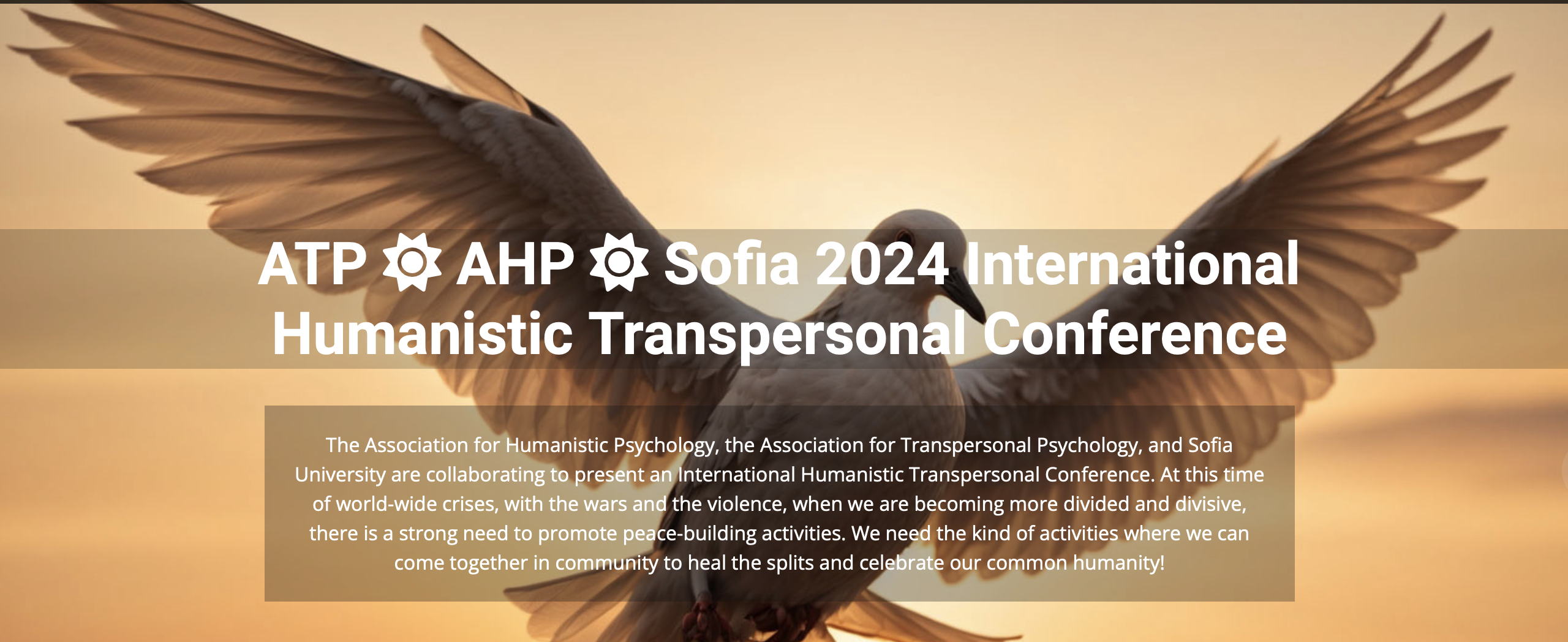
The 2024 AHP-ATP-Sofia International Conference has been postponed. We are discussing possible options. We will keep you informed of the future event. International Humanistic Transpersonal Conference March 28-30, 2024 Costa Mesa, California Conference Theme: Pathways To Peace Extended Deadline for Call for Proposals and Early Bird Registration Here is a link to the website for an International Humanistic Transpersonal Conference, March 28-30, 2024: ahp-atp-sofia-conference2024.org During this period of upheaval and divisiveness, all creative and constructive voices are important for finding, implementing, and/or reinforcing “Pathways to Peace,” the theme of The International Humanistic Transpersonal Conference, March 28-30, 2024. The Association for
UPCOMING EVENTS
No description available
Upcoming Events
All event times are displayed based on America/Chicago timezone.